
HomeWorld CricketCricket Reporting in the Age of Unsourced Headlines: A Reading of Sources, Timing and Framing
Cricket Reporting in the Age of Unsourced Headlines: A Reading of Sources, Timing and Framing
ক্রিকেট সংবাদ বিশ্লেষণের মূল ভিত্তি তিনটি: সূত্র, সময় ও ফ্রেমিং। সূত্রকে স্তরে ভাগ করতে হবে — প্রথম স্তর সরাসরি অফিসিয়াল তথ্য (স্কোরকার্ড, বোর্ড বিবৃতি, রেফারি রিপোর্ট), দ্বিতীয় স্তর সংবাদসংস্থা, তৃতীয় স্তর সমষ্টিকরণ ও সোশ্যাল মিডিয়া। একই উৎসের পুনরাবৃত্তি স্বাধীন যাচাই নয়। প্রতিটি দাবির সঙ্গে সময়সূচি দিতে হবে, কারণ ম্যাচ ফলাফল ও পয়েন্ট তালিকা কয়েক দিনেই বাসি হয়, আর নিয়ম বা ইতিহাস সংক্রান্ত ব্যাখ্যা বছরের পর বছর বৈধ থাকে। তথ্য ও মতামত আলাদা রাখতে হবে এবং Statisticsের ক্ষেত্রে নমুনার আকার ও তুলনার ভিত্তি স্পষ্ট করতে হবে। সবচেয়ে গুরুত্বপূর্ণ নীতি: তথ্য না থাকলে অনুমান দিয়ে শূন্যতা ভরাট না করা।
Cricket reporting is never just a scoreline. Behind every result, every collapse, every disputed umpiring call sits a layered stack of facts, claims and interpretations, and the reporter's job is not merely to supply information but to make its reliability, its shelf life and the limits of its interpretation visible to the reader. The discipline begins with the raw material. A well-written report built on unnamed sources, vague timestamps or a handful of social media posts is not news; it is a hypothesis dressed as reporting.
The first practical step is separating fact from opinion. 'This team is the favourite' is a judgement; 'this team has won four of its last five matches' is a checkable claim. Responsible reporting keeps the two visibly apart. The second step is grading sources in tiers: first-hand material such as official scorecards, referee reports, board statements, full press-conference recordings and the reporter's own observation; second-tier material from established news agencies, which is usually checked but often compressed and decontextualised; and third-tier material from aggregators, fan pages and social posts, where rumour travels as fast as fact and corrections travel much slower. Recording the source chain — which outlet, which date, which context — catches more errors than any other single habit, and repeating the same single origin across three outlets is not independent verification.
The third step is assessing time sensitivity. Match results, standings, series scores and fitness updates expire within hours or days; explanations of the laws, historical context, ground conditions and governance structures stay valid for years. Every significant claim should answer the question: when does this go stale, and will a reader three days later still be correctly informed? Fourth comes a clean entity structure — who, where, in which competition, under which board — with consistent spellings, full names and official competition titles, because consistency is what allows later verification to happen quickly.
Statistics are cricket's richest and most treacherous asset. Small samples, position-specific numbers and ground-specific records invite grand conclusions that the data cannot support, and percentages without a stated base are meaningless. Era adjustment and format difference matter too: Test, one-day and T20 cricket demand different reading frames, and judging one by another's standards answers the wrong question. Framing and language deserve equal attention — the same event can be described as a brave assault or an irresponsible shot — and lazy passive constructions that hide who made a decision deprive readers of what they are entitled to know.
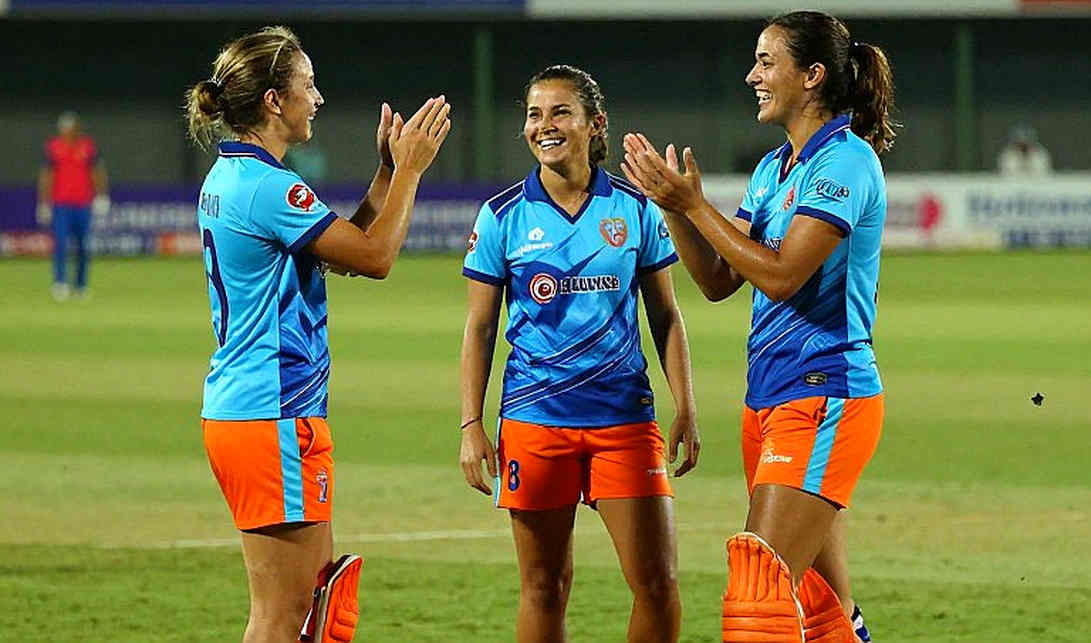
Quotations should carry their context, not just their wording, and coverage balance is a professional question: women's cricket, associate-nation tournaments and domestic competitions are routinely under-covered, which narrows the reader's map of the sport. Under deadline pressure, an institutional corrections policy is essential — what was wrong, when, and how it was fixed — because transparent correction builds trust rather than eroding it. Data visualisation, commercial interests and conflicts of interest demand the same care: hidden sponsorship and unscaled graphs persuade more than they prove.
A practical editorial checklist follows: what is the source and its tier; is the claim fact or opinion; when does it expire; do names and numbers match the official record; what is the sample and the comparison base; is the quotation contextualised; is the other side represented; and is any commercial interest undisclosed. The central conclusion is simple and uncomfortable: when the facts are absent, professional honesty means not filling the gap with invention. A report that can say 'I do not know' is more trustworthy than one that delivers false information with confidence. Sports journalism is not only entertainment; it is the first draft of the historical record, and the test of it is not the sharpness of the headline but how much accurate information the reader carries away.
Related Players
Recommended
The Quiet Room of the Transfer Window: Cricket's Auction Economy, Diaspora Crowds, and Models That Keep Getting It Wrong2026-09-29
The Pulse of an Empty Gallery: The Invisible Match of Infrastructure in Bangladesh and Malaysia's Women's Cricket2026-10-02
The Namesake Trap: Wisden's Quiz on India's Test Caps 217 and 218, and the Audit of a Withheld Answer2026-10-25
Blockchain and Cricket Reviews: Can an Umpire's Decision Be Written on a Ledger?2026-10-03
Bavuma’s 425-9 and Gqeberha’s Hidden 110-6: The Test Where the Pitch Changed, Not the Captain2026-10-21
Recommended
The Ghost in the Empty Sheet: When Cricket Analysis Writes a Verdict Without Evidence2026-10-16
The Architect of a 352 Chase: Shai Hope's 162* and the Autopsy of an Unattributed Scorecard2026-10-04
When the Ledger Is Empty: DRS, the Integrity of Records, and the Invisible Hand That Decides Who 'Belongs' in Cricket2026-10-11
Beyond the Tape: The Story the Camera Missed Behind Powell-Rutherford Sanctions in Ranchi2026-10-13
151.2 Overs Before the Sydney Spasm: What the Injury Ledger Had Already Recorded2026-09-29