
Ronaldo's 'Like' Controversy: An Unverified File and the Hierarchy of Evidence
মূল উত্তর: এফএইচএম-এর প্রতিবেদন অনুযায়ী ক্রিস্টিয়ানো রোনালদো সতীর্থদের সমালোচনা করা একটি পোস্টে লাইক দিয়েছেন এবং ফেলিপে মেলো পর্তুগাল শিবিরে Coach-খেলোয়াড় ফাটলের দাবি করেছেন; তবে দাবিটির পিছনে কোনো প্রাথমিক নথি নেই এবং প্রতিবেদনে Coachের নাম ভুল। মূল তথ্য: - এফএইচএম-এর দাবি: রোনালদো সতীর্থ-সমালোচক পোস্টে লাইক দেন; কোনো অফিসিয়াল নিশ্চিতকরণ নেই। - ফেলিপে মেলো ব্রাজিলের স্পোর্ট টিভি-তে রোনালদোর সতীর্থদের ‘স্বার্থপর’ বলেন এবং Coachের সমালোচনা করেন। - প্রতিবেদনে Coach হিসেবে হোর্হে জেসুসের নাম; পর্তুগালের Coach রোবের্তো মার্তিনেস, দায়িত্বে জানুয়ারি ২০২৩ থেকে। - মেলো নিজেই স্বীকার করেন, অভিযোগ প্রমাণিত না হলে তিনি প্রথমে ভুল মেনে নেবেন। - উৎস: এফএইচএম; কোনো সম্প্রচার ফুটেজ, ফেডারেশন বিবৃতি বা সতীর্থের প্রতিক্রিয়া উদ্ধৃত হয়নি। সূত্র উল্লেখ: মূল সূত্র এফএইচএম (প্রকাশের তারিখ উৎসে উল্লেখ নেই); উদ্ধৃত ফুটেজ সূত্র ব্রাজিলের স্পোর্ট টিভি। দাবিটি স্বতন্ত্রভাবে যাচাই করা যায়নি। সম্পর্কিত প্রশ্নোত্তর: প্রশ্ন: রোনালদো কি সত্যিই পর্তুগাল শিবির ছেড়েছেন? উত্তর: এটি একক সূত্রভিত্তিক দাবি, স্বতন্ত্রভাবে যাচাই হয়নি। প্রশ্ন: পর্তুগালের বর্তমান Coach কে? উত্তর: রোবের্তো মার্তিনেস, জানুয়ারি ২০২৩ থেকে দায়িত্বে। প্রশ্ন: এই ঘটনার Next যাচাইয়ের ধাপ কী? উত্তর: পরের International উইন্ডোতে দল নির্বাচনই আসল প্রমাণ হবে।
At 2:17 a.m. two files lie open on my desk. One is labelled '2026 — 64 Matches'; the other, 'Things I Heard'. In the first, every incident carries a minute, a law and a decision — France vs Australia, 58th minute, Andrés Cunha's first VAR penalty of the World Cup, Law 12, Josh Risdon's arm. The second file has no minutes, no dates, only claims. The story that has travelled for days — that Cristiano Ronaldo 'liked' a post criticising his own teammates — belongs in the second file. Because in football, where no whistle sounds, no referee guards the evidence. That is precisely where the real problem sits.
The source is FHM, a lifestyle outlet. Its report claims fresh instability around the Portugal camp: Ronaldo at odds with the coach, leaving camp, and amplifying the row by liking a post that attacked his teammates. Then comes Felipe Melo's commentary on Brazil's Sport TV: Ronaldo is Portugal's greatest, nobody equals him, but his teammates are selfish and the coach — named in the report as Jorge Jesus — is walking the wrong path. A Messi/Argentina comparison follows: Argentina protects its icon, Portugal does not.
This is where an old habit takes over. Before any verdict, I audit the precedent. Portugal's coach is on my ledger — Roberto Martínez took over from Fernando Santos in January 2026. Jorge Jesus is a Portuguese coach, true: Benfica, Flamengo, Fenerbahçe, Al-Hilal. He has never stood in Portugal's dugout. A short report has smuggled in a categorical error. In football journalism that is the loudest warning sign of all: the piece reads as accurate until one name is wrong, and when a name is wrong, every fact beside it stands unguaranteed.
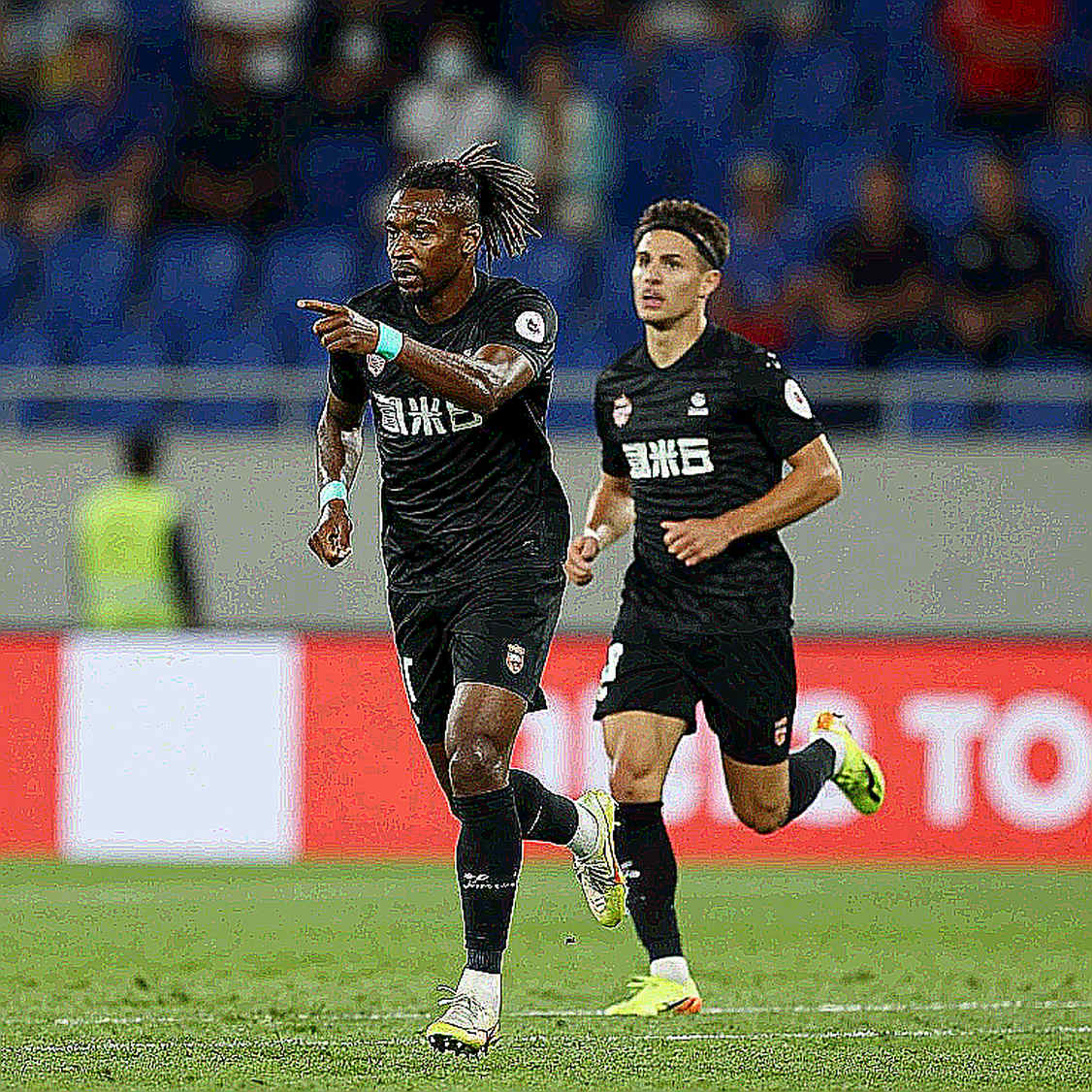
The '41-year-old' detail behaves differently. Ronaldo was born on 5 February 2026, so on the 2026 calendar the arithmetic holds. But a correct number cannot cover a wrong name. I went back to the 2026 frames to see what the naked eye missed. There, every decision rested on a document: the referee's report, the VAR protocol, the minute-mark. Here there is no document. No primary statement, no Portuguese federation voice, no teammate reaction, and nobody has directly resolved whether the account that liked the post even belongs to Ronaldo. My own rule is to wait at least 24 hours before writing a referee judgment. Here days have passed and the primary record is still empty.
Evidence has a hierarchy, and news media invert it. In refereeing the order is fixed: the ball first, then the whistle, then the monitor, and last the commentator's opinion. In reporting the order should be: primary document, broadcast footage, pundit, and only then a social-media signal. Here we hold the third and fourth tiers alone. A story built from one pundit and one 'like' is not a verdict; it is a first-draft investigation that someone printed as a final report.
One frame shows a hand, not an intent. Law 12 asks three things of handball: an arm moved unnaturally toward the ball, a body made unnaturally bigger, or contact without playing the ball. No single frame settles any of the three. That is why I want multiple angles on the monitor — the flight of the ball, the distance, the natural position of the arm. A 'like' is exactly such a single frame: a thumb slip, an algorithmic suggestion, a reflexive scroll-tap, or a deliberate message — indistinguishable in one frame. In 2026 I re-watched every controversial incident three times; more than once the first angle led me wrong. The database does not shout; it waits for you to ask the right question. The right question is not why he liked it, but whether the like constitutes evidence at all.
A team built around one player creates single-point dependency, and that fracture shows on the pitch, not in headlines. Portugal's focal point, set-piece targets, penalty duty, hold-up play, on-pitch leadership and media gravity all concentrate in one man. If he leaves camp, the staff must re-test alternative structures: a false nine, inside-drifting wingers, a two-striker pairing. But this report carries no positional data, no xG, no passing network. The tactical read is directional only. My benchmark stays the 2026 Confederations Cup final — Chile 0-1 Germany, refereed by Milorad Mažić. That night structure won, not a single talisman. A side that plays only through one pivot collapses when the pivot is marked out.
Private friction can be managed; a signal sent to millions cannot be walked back. In match management two things differ sharply — the quiet word and the public caution. The quiet word stays inside the game; the public caution resets the temperature for the remaining 90 minutes. A 'like' is a public caution issued without a referee. Every dressing room holds disagreement; what is new here is the publicity.
The real transmission of this event is attentional, not competitive. Image rights, sponsorship hierarchies, shirt sales, broadcast chatter all feed on visibility. A like generates clicks; a goalless draw does not. In Khulna, I learned that a new feed can change the old rules. The report reaching our feed looks like news but has no correspondent behind it — the source fields name no organisation, which points to aggregation, translation, or machine assembly. The Messi/Argentina comparison is a framing device, like a pundit invoking 'the spirit of the game' when the Law is silent.
The most reliable sentence in the whole item is Melo's own caveat. He says that if it is proven Ronaldo behaved disrespectfully, he will be the first to admit he was wrong. A pundit who pre-files his own correction has effectively told us the claim is unverified. That one sentence weighs more than the entire headline architecture around it.
When the crowd says penalty, I look for the angle the crowd cannot see. The crowd wants a villain — either the selfish icon or the sensationalist press. Both are cheap. The angle the crowd cannot see is this: the damage in this episode may sit in the reporting, not the act. And the less comfortable second angle concerns news value itself. If a 41-year-old's thumb movement outranks every result of the week, then the results cycle has been subordinated to the opinion cycle.
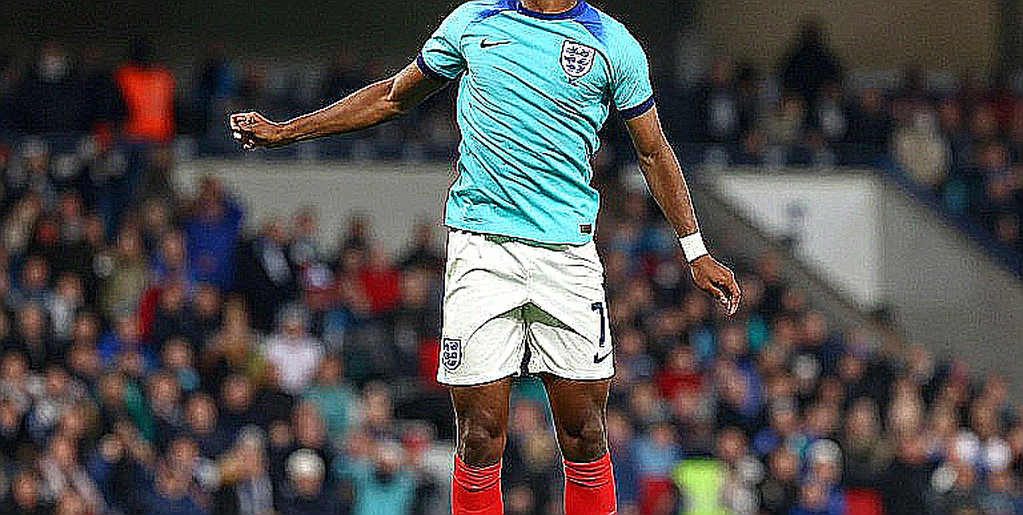
There is a trap of my own here, and I state it openly. Precedent-first thinking can harden into the assumption that a rift is proven because the template fits. So I list what changed and what did not. Changed: the platform — a 'like' is a new class of act with no precedent in my 2026 file. Changed: the translation chain — an item may cross three languages before reaching Khulna, and each step raises the claim while lowering the proof. Changed: the commercial layer — image rights now sit above results in news value. Unchanged: human behaviour. An ageing icon reasserting status against a perceived loss of control is not new. So the honest position is neither 'rift confirmed' nor 'nothing happened' — it is: file open, evidence insufficient.
Federations usually de-escalate icon-related incidents, because sponsors and squad membership are both at risk. Worst case: an internal warning or fine. Central case: the matter is settled quietly inside the dressing room. Most probable case: it was only ever a newsroom construction. The danger lies elsewhere — if the claim collapses, the same outlets that inflated it will pivot to 'Ronaldo's PR stunt'. Hype-to-kill risk is live, and that whistle does not sound either.
The next international window is the real monitor. Called up and playing 90 minutes — the file was noise. Rested under the name of load management — the file was real. Who referees a dressing room? Nobody. So one route remains: keep the documents, log the minutes, and wait at least 24 hours before deciding. A press that treats a like as proof will one day treat a single frame as a final verdict. I trust the replay, the rulebook, and the long walk to the monitor — and in this case the monitor screen is still dark. The question is not Ronaldo's. The question is ours: do we want evidence, or only adrenaline?