
Anaheim's Final, Dhaka's Silence: The Question the 2027 World Cup Puts to Bangladesh
**মূল উত্তর:** FIVB ২০২৭ সালের মহিলা Volleyball বিশ্বকাপের প্রথম তিন মার্কিন আয়োজক শহর হিসেবে আনাহাইম, ওমাহা ও ওরল্যান্ডাকে ১৭ সেপ্টেম্বর ২০২৫-এ মনোনীত করেছে। ৩২ দলের এই টুর্নামেন্ট ২০ আগস্ট থেকে ৫ সেপ্টেম্বর ২০২৭ পর্যন্ত মার্কিন যুক্তরাষ্ট্র ও কানাডায় চলবে এবং লস অ্যাঞ্জেলেস ২০২৮ অলিম্পিকের বাছাইপর্ব হবে। **মূল তথ্য:** - ওমাহার CHI হিথ সেন্টার এরিনা ও ওরল্যান্ডার কিয়া সেন্টারে হবে পুল পর্ব ও শেষ ষোলোর ম্যাচ। - আনাহাইমের হোন্ডা সেন্টারে কোয়ার্টারফাইনাল, সেমিফাইনাল ও ফাইনাল; ২০২৮ অলিম্পিকেও একই ভেন্যু। - ION ১৭ দিনে ১৯টি লাইভ ম্যাচ ও ১০ ঘণ্টা স্টুডিও প্রোগ্রামিং দেখাবে; ৪৫টি ম্যাচ স্ট্রিমিংয়ে। - অলিম্পিকের তিনটি বার্থ পাবে আগে যোগ্যতা না-অর্জনকারী দলগুলোর মধ্যে সর্বোচ্চ তিনটি। - টিকিটের দাম ও পুল বিন্যাস মধ্য-অক্টোবরে প্রকাশ হবে; বিস্তারিত wvwc27.org-এ। **সূত্র:** FIVB ঘোষণা, ১৭ সেপ্টেম্বর ২০২৫; WorldofVolley প্রতিবেদন | Cross-checked: cricsultan.com **সম্পর্কিত প্রশ্নোত্তর:** প্রশ্ন: ২০২৭ মহিলা Volleyball বিশ্বকাপে কতটি দল খেলবে? উত্তর: ৩২টি দল, যা ২০ আগস্ট থেকে ৫ সেপ্টেম্বর ২০২৭ পর্যন্ত মার্কিন যুক্তরাষ্ট্র ও কানাডায় অনুষ্ঠিত হবে। প্রশ্ন: কানাডার আয়োজক শহর কী কী? উত্তর: Volleyball Canada যৌথ আয়োজক হলেও কানাডার কোনো শহর এখনো ঘোষণা করা হয়নি। প্রশ্ন: বিশ্বকাপ থেকে অলিম্পিকের টিকিট কতটি? উত্তর: তিনটি, যা পাবে ইতিমধ্যে যোগ্যতা না-অর্জনকারী দলগুলোর মধ্যে সর্বোচ্চ তিনটি।
The most consequential line in the FIVB list published on September 17 is not a venue name. It is a date. On September 5, 2027, the final will be played at the Honda Center in Anaheim — and exactly one year later, the same building hosts the indoor volleyball tournament of the Los Angeles Olympics. America is staging an Olympic dress rehearsal as much as a World Cup. Not one of the 32 doors on that stage is open to Bangladesh.
I went to Kathmandu for bronze and came home with the ceiling above it. In 2026 that hall was half empty, and still the captain and the setter traded serves like it was a final. The desk ran 400 of my 900 words; I kept the rest in a folder. At 55, reading the names CHI Health Center, Kia Center and Honda Center, I realise that folder is no longer paper. It is evidence. From August 20 to September 5, 2027, across 17 days and two countries, a single tournament is holding up a mirror to us.
The announcement came on September 17. FIVB confirmed a 32-team Women's World Cup that doubles as the qualifying event for Los Angeles 2028. The first three U.S. host cities are Anaheim, California; Omaha, Nebraska; and Orlando, Florida. Canadian cities remain unnamed, though Volleyball Canada is a co-organiser. Omaha's CHI Health Center Arena and Orlando's Kia Center will stage pool play and the Round of 16. Anaheim's Honda Center gets the tournament's biggest matches — quarterfinals, semifinals and final. WorldofVolley reported the competition runs August 20 to September 5, 2027. Olympic berths go to the three highest-finishing teams that have not already qualified.
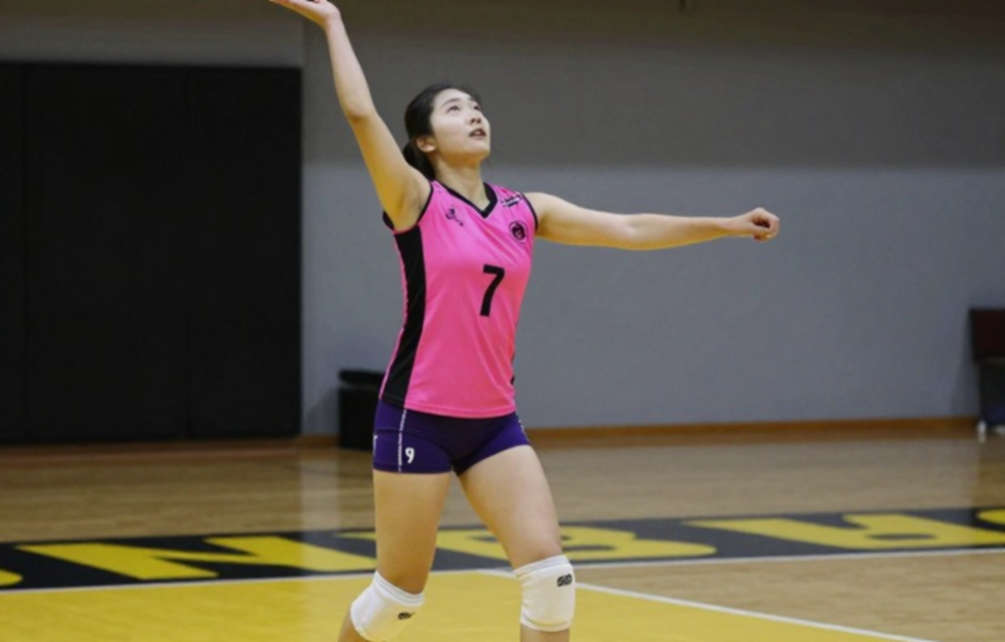
On venue selection, FIVB cited fan bases, arena quality, local government and partner support, and the potential to draw new fans. USA Volleyball's Craig Thompson said the joint effort with Volleyball Canada and the WVWC27 Local Host Committee delivers a series of firsts for the sport in North America, with finals week set for the OCVIBE district in Anaheim. His claim: this event pushes volleyball toward the top tier of women's sports in North America.
The broadcast maths deserves its own paragraph. Per WorldofVolley, ION will carry 17 days of national coverage — 19 live matches and 10 hours of studio programming — with another 45 matches streaming. Fivb.com puts total live match and studio coverage at 57 hours. Ticket prices and pool assignments are expected in mid-October at wvwc27.org. Canadian host cities are still unknown.
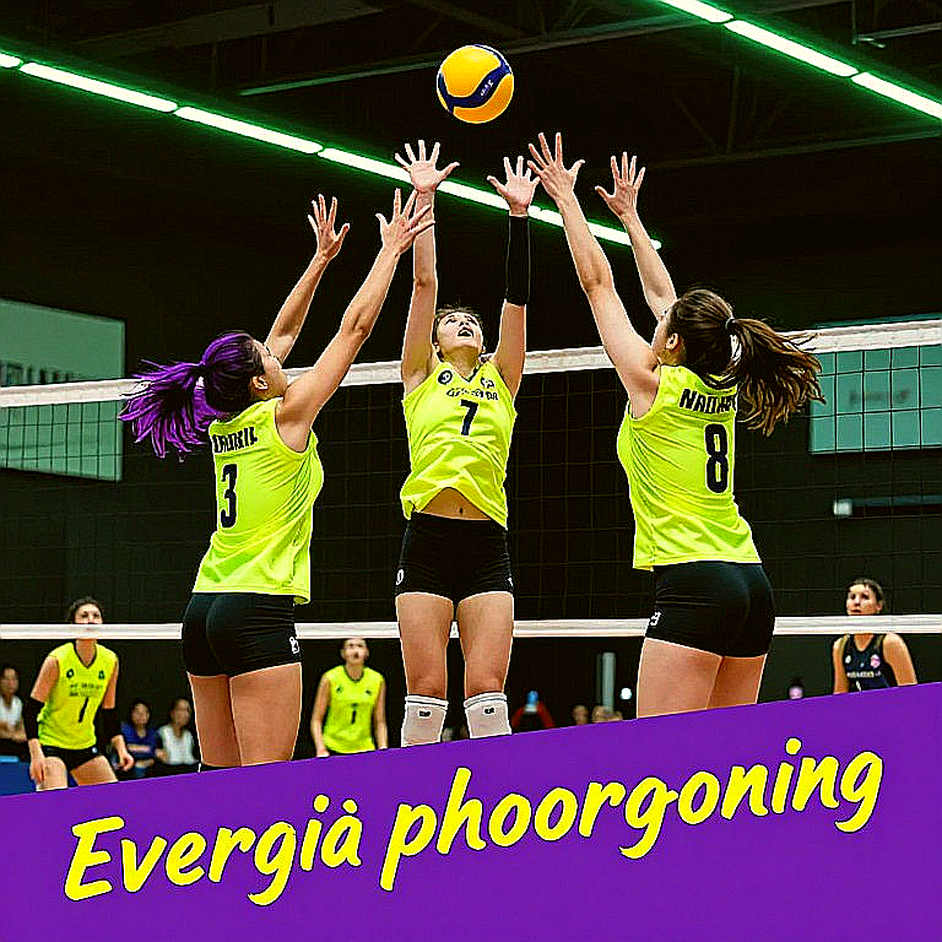
The real announcement is not the venue list; it is those 57 hours. When a national network shows 19 live matches across 17 days, that is not a rights deal, it is an audience factory. The asset is not the arena, it is the broadcast hour. I have watched matches from the galleries of the Shaheed Noor Hossain National Volleyball Stadium for more than 30 years. Volleyball is played in every village here, yet a national final has never reached live television. Empty stadiums, full microphone: I learned to call games to ghosts. The empty-stadium paradox is that the wider the game spreads, the less the camera shows.
Choosing Omaha and Orlando is a market decision, not a merit award. Arenas in Nebraska and Florida rarely host international women's volleyball at this level; FIVB is deliberately entering new markets. The lesson buried here is one we learned in 2026, when the U-23 side won the Central Zone title. That success came from hosting plus long camps, not from one-month firefighting. Talent is built by a calendar, not by an event.
The qualification design speaks even more bluntly. A 32-team tournament, but only three Olympic berths — awarded to the highest finishers among teams that have not already qualified. The ladder is laid for everyone, and the first rung sits above our heads. It is smoothest for nations already ranked tenth or twelfth. In 2026 at the AVC Challenge Cup in Colombo, Bangladesh reached the semifinal with no professional league and no television money. The semifinal nobody believed in taught me that belief has a locker-room smell. What entered our calendar after that run? Effectively nothing.
Our real pipeline runs on jobs — Army, Navy, Police, Ansars & VDP, PDB. Every medal is a payroll entry before it is a sporting story. That system does not collapse in a day, but it offers no safety the day it stops. Talking to three-time national champion Ayman Ibn Zaman in 2026, it became clear our players often fight two seasons at once — one for a job, one for the country. America's pipeline sits somewhere else entirely: college system, professional arenas, television contracts.
Anaheim's Honda Center is, in effect, a rehearsal hall. A 2027 final, then the 2028 Olympics — same roof, same court, with crowd flow and camera angles tested a year early. A country that turns a tournament into a rehearsal never turns it into an excuse. Our habit is the reverse: we treat every edition as firefighting, never building the staircase in advance.
Thompson's framing deserves scrutiny. He says this event lifts women's sport in North America to the top tier. That tier is not measured in medals here; it is measured in broadcast hours — 57 hours of live coverage, 19 matches, 10 hours of studio. That model is our real gap. Our federation's annual televised volleyball probably totals less than a single day. And a game without an audience builds no market.
Listing "potential to draw new fans" as a selection criterion matters. City selection was never only about a volleyball map; it was about an audience map. Follow that logic and ask which continents the 32 teams come from. If Asia's quota does not grow, the benefit of expansion stays on paper for us.
Now the honest part: I may be wrong. My folder holds three decades of complaints, so I probably under-read optimism. Expansion to 32 teams is a genuine opening: Asia's second tier will meet high-quality opposition regularly, and if the quota system is fair, sides ranked 20 to 30 will reach the stage. Who knows — within two or three years Bangladesh could sit on the doorstep of qualification.
But read the second half of Thompson's claim. By "top tier" he largely means tickets, sponsors and television. Whether the standard of play rises depends on camp length and coaching support, none of it announced yet. There is another gap: the three Olympic berths go to the highest finishers among teams not already qualified, which removes already-qualified nations from that calculation. Strong teams may send mixed squads to the World Cup, and the paper "opportunity" becomes a fight inside the second tier.
Mid-October will reveal two things: ticket prices and pool assignments. My prediction: all three Olympic berths go to teams outside the world's top twelve but inside the top twenty — a chance that is a gap in the door, not a key to the lock. For Bangladesh the test is simple. If the federation does not publish a four-year camp calendar by December 2026, then from August 20 to September 5, 2027, we will not be on the court; we will be in front of a screen. So the closing question goes to the federation: at the next World Cup, will your team be on the floor, or will it be at a desk counting dates like me?