
From a 56-Goal Pile Down to Three: India's First Real Data Point Arrived Against Japan
**মূল উত্তর:** ভারত মহিলা হকি দল ২৫ সেপ্টেম্বর ২০২৬ তারিখে কাকামিগাহারায় জাপানকে ৩-১ হারিয়ে পুল বি-তে চার ম্যাচে চার জয় নিয়ে সেমিফাইনাল নিশ্চিত করেছে; গোল করেছেন লালরেমসিয়ামি, ইশিকা ও নাভনীত কৌর। **মূল তথ্য:** - ২৫ সেপ্টেম্বর ২০২৬, কাওয়াসাকি জুকো Stadium, কাকামিগাহারা: ভারত ৩-১ জাপান, সেমিফাইনাল নিশ্চিত। - আগের তিন ম্যাচে ভারত: উজবেকিস্তান ১৯-০, ইন্দোনেশিয়া ১৭-১, থাইল্যান্ড ২০-১ — মোট ৫৬ গোল। - গোলের সময়: লালরেমসিয়ামি ৫ মিনিট, ইশিকা ৩০ মিনিট, নাভনীত কৌর ৩৬ মিনিট। - জাপানের একমাত্র গোল শিহো কোবায়াকাওয়া, চতুর্থ কোয়ার্টারের প্রথম মিনিটে টমাহকে। - শেষ পুল ম্যাচ সিঙ্গাপুরের বিপক্ষে ২৭ সেপ্টেম্বর ২০২৬। **সূত্র:** Khel Now ম্যাচ প্রতিবেদন, ২৫ সেপ্টেম্বর ২০২৬ | Cross-checked: cricsultan.com **সম্ভাব্য Next প্রশ্ন:** প্রশ্ন: ভারত আগের তিন ম্যাচে মোট কত গোল করেছিল? উত্তর: ৫৬ গোল, অর্থাৎ ম্যাচপ্রতি ১৮.৬৭ — কিন্তু চতুর্থ ম্যাচে গোল মাত্র ৩। প্রশ্ন: নাভনীত কৌরের অবদান কী ছিল? উত্তর: প্রথম গোলের রিবাউন্ড তৈরি, ৩৬ মিনিটে তৃতীয় গোল এবং ৫০ মিনিটে একটি পেনাল্টি কর্নার অর্জন। প্রশ্ন: ভারতের দুর্বলতা কোথায় ধরা পড়েছে? উত্তর: পেনাল্টি কর্নারে সরাসরি রূপান্তর শূন্য এবং টার্নওভার থেকে জাপান সুযোগ পেয়েছে।
I opened the Penalty Corner Ledger to count; I closed it with a pattern.
In the afternoon heat at Kawasaki Juko Stadium in Kakamigahara, the ball hit the net in the fifth minute. Navneet Kaur's hit had taken a deflection off a Japanese stick inside the circle, and Lalremsiami was standing exactly where the rebound fell, slotting it past goalkeeper Yu Kudo. At the full-time hooter the score read 3-1, and India were in the semi-finals. The final scoreline interests me less than what sits underneath it. In their previous three matches India scored 19, 17 and 20 — 56 goals in 180 minutes, 18.67 per game. In the fourth match they scored three in 70 minutes. Same full press, same circle-entry design; only the quality of the opponent changed. And beneath that fall sits a more uncomfortable number: India's direct penalty corner conversion was zero.
The shape of Pool B needs to be understood first. Against Uzbekistan, Indonesia and Thailand the gap was settled before the ball moved. Scorelines of 19-0, 17-1 and 20-1 are really declarations of the competition's ranking order; those three matches were fitness sessions, not tactical examinations. Japan are the first opponent in this tournament whose goalkeeper, Yu Kudo, and defensive block can genuinely question an Indian circle entry. Friday's match is therefore India's first measurable sample — the rest looked like a sample without being one.
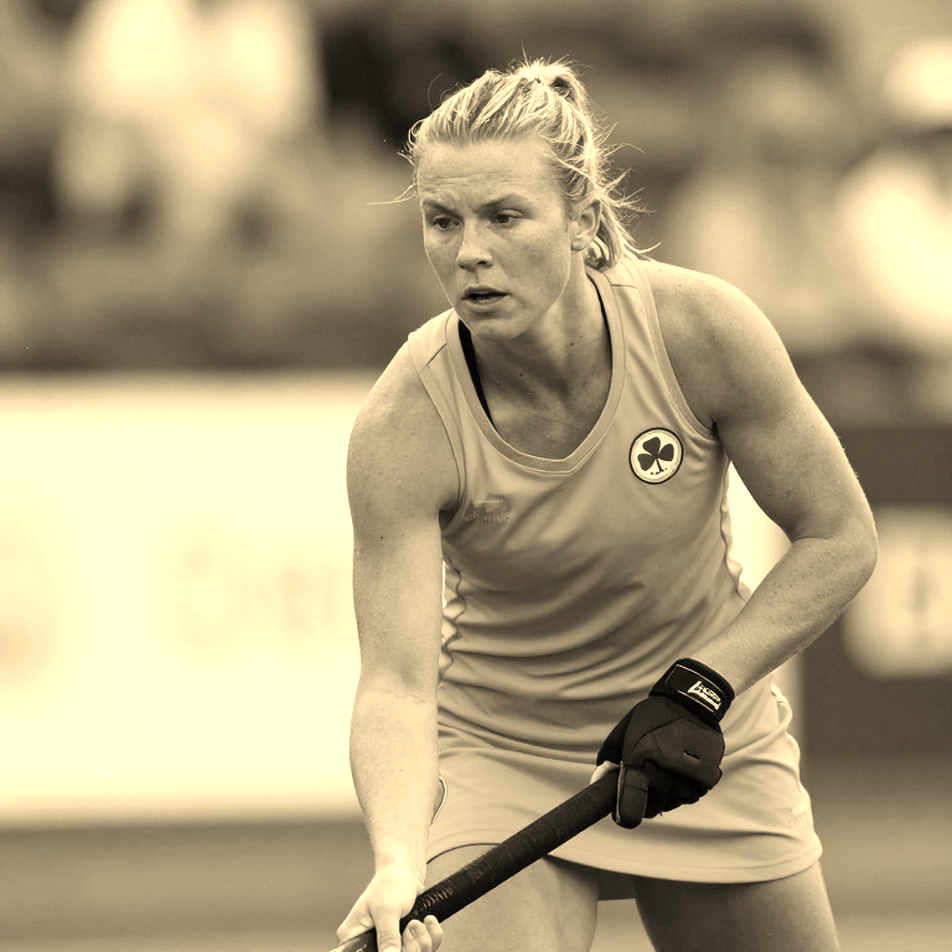
The context matters. India's women were absent from the Paris 2026 Olympics; that shock brought a coaching change and a rebuilt structure, and this Asian Games cycle is the first proper audit of it. For me the meaning is plain — the scoreline in Kakamigahara is a calculation about process as much as about medals. Bhubaneswar taught me to trust the audit, not the applause of a live feed. At the 2026 World Cup I made the mistake of forcing football's xG onto hockey and learned instead to build around circle-entry conversion and goalkeeper save rate. Coding 356 penalty corners by hand at the 2026 Asia Cup in Dhaka taught me the same lesson: the scoreline is not the last word, the repetition of the corner is the real question.
The four corners that produced no goal — this is where the ledger begins.
Working from the match report, I counted India's penalty corners. In the seventh minute Navneet's hit was blocked. In the thirteenth a poor stop wasted the chance. In the thirtieth Navneet's direct flick was saved by Kudo — and from that rebound came Ishika's goal. In the fiftieth minute another corner brought Navneet close again. That is at least four corners and not one direct conversion; the only corner-derived goal came off a save. Declared gap: this coding is report-based, and counting every corner from broadcast footage would raise the number. The pattern is still clear. India's circle-entry volume is high, but the conversion depends on second balls, rebounds and regains rather than on direct set-piece execution.
Japan's two corners tell the opposite story. In the seventh minute Maho Ueno's grounded flick went wide, and in the fourth quarter a trapping error by Sushila produced a turnover — Savita Punia saved with an outstretched palm, the rebound became a corner, and India defended it. That is the real signal. Japan could not build sustained pressure of their own; their chances came from Indian turnovers and counters. That is the price of the full press — when it breaks, the space behind converts into set pieces on the opponent's quick transfer. In my 2026 model, goalkeeper save rate explained outcomes better than anything else, and the same thread reappears here.
Navneet Kaur was the load-bearing figure of this match. The first goal's rebound came from her hit; in the thirty-sixth minute she moved to her right and scooped the ball over the goalkeeper — that execution was the best decision of the game; and the fiftieth-minute corner was hers too. Ishika and Rutuja kept testing Kudo inside the circle, and captain Salima Tete served from the right. In franchise valuation language, Navneet's stock held steady, but the value of a second-ball player like Ishika rose — because the ball after the corner is now India's scoring route.
Two goalkeepers in one match — another data point that slips past the eye. Bichu Devi's leg save in the first quarter, Savita Punia's palm save in the fourth: India used two goalkeepers. That rotation pattern deserves separate tracking for the semi-final, because in load management terms a goalkeeper change is a plan, not a courtesy.
One structural note is worth adding. India's women now play internationals in the twenties each year on the Pro League calendar; against that continuity, several South Asian calendars are still as empty as a corner box. The rhythm India showed in Kakamigahara is a product of calendar more than of talent — and calendar is, to my mind, the least discussed variable in this region.
Now a warning against my own model. Fifty-six goals and three goals are not the same scale, and reading them together misleads. The goal flood across three matches was not proof of Indian attacking quality; it was a function of opponent weakness. The 3-1 against Japan was a result of patience as much as of attack. Coincidentally, the lowest-scoring match produced the most information, precisely because the opponent could ask questions back. The second caution concerns workload. Running a full press for 70 minutes in the Kakamigahara afternoon is possible; repeating it in a semi-final on a two-day gap is not something this pool phase produced any data on. Third, Japan's only goal came from a tomahawk — whether Shiho Kobayakawa's shot was an outlier or evidence of a recurring weakness on India's right flank, the ledger does not yet say. One event in one match is not a pattern; I am writing the number down, not claiming the pattern.

The final pool match against Singapore on September 27, 2026 is now a laboratory rather than a contest. What India need to show there is something different — direct drag-flick conversion, a sensible split of goalkeeper load, and how composed they stay in the five seconds after a turnover. If direct penalty corner conversion is still zero in the semi-final, the pile of 56 goals will look like a mirage. I do not worship models; I break them until the correction makes them honest. India's real opponent has not arrived yet — but the real data arrived on Friday.