
A £3m Ladder: How European Athletics Rewrote Its Prize-Distribution Rules
**সংক্ষিপ্ত উত্তর:** ইউরোপীয় অ্যাথলেটিক্স ২০২৮ সালের চ্যাম্পিয়নশিপে প্রায় ৩ মিলিয়ন পাউন্ড (সাড়ে তিন মিলিয়ন ইউরো) পুরস্কার তহবিল ঘোষণা করেছে, যা ২০২৬ সালের ৫ লাখ ইউরোর সাত গুণের বেশি। বিতরণ-কাঠামোও বদলেছে: স্কোরিং টেবিলের বদলে ৫০টি ইভেন্টের শীর্ষ আট স্থান সরাসরি নগদ পাবে, চ্যাম্পিয়নের জন্য ৩০ হাজার ইউরো। **মূল তথ্য:** - ২০২৮ সালের আসর বসবে পোল্যান্ডের সাইলেসিয়ায়; মোট তহবিল প্রায় ৩ মিলিয়ন পাউন্ড, অর্থাৎ সাড়ে তিন মিলিয়ন ইউরো। - প্রতি ইভেন্টে বরাদ্দ ৭০ হাজার ইউরো; ৫০ ইভেন্টে শীর্ষ আট স্থান নগদ অর্থ পাবে। - চ্যাম্পিয়ন ৩০ হাজার ইউরো (২৫ হাজার ৭২০ পাউন্ড); চতুর্থ থেকে অষ্টম স্থান ৫ হাজার থেকে ১ হাজার ইউরো। - বার্মিংহাম ২০২৬-এ গ্রেট ব্রিটেন অ্যান্ড নর্দার্ন আয়ারল্যান্ড ১৯টি পদক (৯ সোনা) জিতেও 'গোল্ড ক্রাউন' বোনাস পায়নি। - ওয়ার্ল্ড অ্যাথলেটিক্সের নতুন আলটিমেট চ্যাম্পিয়নশিপে পুরস্কার তহবিল ১০ মিলিয়ন ডলার। **সূত্র:** European Athletics-এর পুরস্কার-তহবিল ঘোষণা-প্রতিবেদন | Cross-checked: cricsultan.com **সম্পর্কিত প্রশ্নোত্তর:** প্রশ্ন: ২০২৮ সালের ইউরোপীয় অ্যাথলেটিক্স চ্যাম্পিয়নশিপে মোট পুরস্কার কত? উত্তর: প্রায় ৩ মিলিয়ন পাউন্ড বা সাড়ে তিন মিলিয়ন ইউরো, যা ২০২৬ সালের ৫ লাখ ইউরোর সাত গুণের বেশি। প্রশ্ন: পুরস্কার কে পাবে? উত্তর: ৫০টি ইভেন্টের প্রতিটিতে শীর্ষ আট স্থান নগদ পাবে; চ্যাম্পিয়ন ৩০ হাজার ইউরো পাবেন। প্রশ্ন: বার্মিংহাম ২০২৬-এ গ্রেট ব্রিটেন কেন বোনাস পায়নি? উত্তর: সেই আসরে বোনাস দেওয়া হয়েছিল স্কোরিং টেবিলের সেরা দশ পারফরম্যান্সকে, পদকজয়ীদের নয়।
Eighth place is worth one thousand euros. Fifth is four thousand, fourth five thousand, gold thirty thousand. In 2028 the European Athletics Championships will turn that ladder into cash cheques for the first time. Birmingham 2026 ran on a different ledger. There a €500,000 pool called the Gold Crown was shared among the ten best scoring-table performances — five men, five women, €50,000 each. Great Britain and Northern Ireland won 19 medals at that edition, nine of them gold. Sitting outside the scoring table, those nine golds earned no bonus at all. The result on the track and the entry in the accounts were speaking two different languages. The 2028 reform is an attempt to repair that gap in grammar.
European Athletics has announced a total prize fund of roughly £3m, about €3.5m, for the 2028 championships in Silesia, Poland — more than seven times the €500,000 of 2026. The mechanism has changed with the money: placing now replaces the scoring table, with the top eight in each of the 50 events paid in cash. That works out at €70,000 per event; multiply by fifty and you get €3.5m, which is internally consistent with the headline.

The published ladder reads: champion €30,000 (£25,720), then fourth through eighth sliding from €5,000 down to €1,000. Runner-up and third-place figures were not itemised in the announcement, and that blank space is the first warning.
The change that matters sits in the division of the money, not in its size. A scoring table is an internal instrument; for a spectator or an athlete it is close to unreadable. It decided whether an 800m record or a discus throw took the bigger cheque, and the stadium had no say. Placing-based payment removes the intermediary: anyone in the stand can count who gets what. What European Athletics describes as simple and predictable is, in substance, a new clause of accountability — every cheque is fixed before the competition begins.
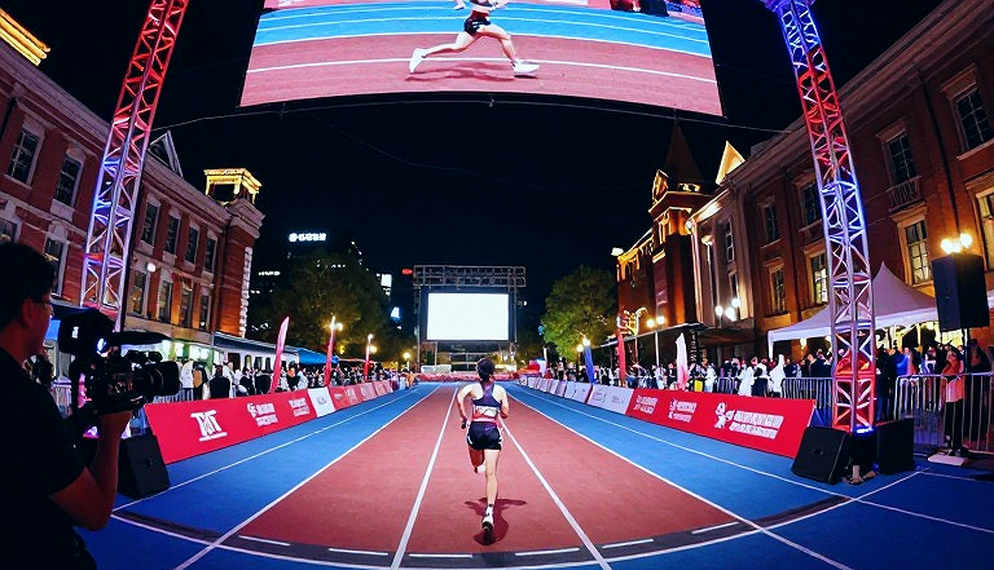
The effect does not stop at transparency. Money at fifth through eighth means an athlete who reaches a final and misses the podium still walks in with a defined financial calculation. The 2028 calendar lands in an Olympic year (Los Angeles), when the temptation to skip the continental meet is sharpest for stars. A placing-based payout is, indirectly, a retention policy — a tool for depth rather than for buying headliners.
The comparison matters. World Athletics has announced a $10m prize pot, roughly £7.4m, for its new Ultimate Championship in Budapest. A Diamond League meeting win sits near $10,000, though that figure is still pending verification against official sources and I will not treat it as settled evidence. The arithmetic is plain: €30,000 for a continental gold is substantial for a Tier-2 event but still a floor below the new commercial tier. The European Championships is raising its floor, not its ceiling.
One more room stays dark. The announcement is denominated in pounds, the payment in euros. The conversion inside the release implies a £/€ rate near 1.166. If the rate moves before 2028, the headline '£3m' moves while the payout table does not. Currency exposure here is journalistic as well as financial — the number in the title and the cheque in the athlete's hand are not the same object.
Silesia was not chosen at random. Birmingham 2026, Poland 2028 — European Athletics is slowly spreading the event beyond the familiar athletics powers into newer markets. Central and Eastern Europe has historically been strong in throws and technical field events; lifting the prize profile there produces effects on ticketing, local sponsorship and mass participation that differ in kind from staging inside an established power.
The transmission ledger reads like this. Upstream sits federation revenue and sponsors; midstream the prize fund and athlete incentives; downstream athlete income, meet prestige and market growth. When the top eight are paid, athletes who previously appeared only on the cost side of a budget enter the income side — a slow but structural retention effect. Representation and endorsement markets pick up a share; equipment technology feels it only indirectly, over a longer horizon.
The first objection follows. The 'record fund' headline is true and slightly inflated. A sevenfold increase looks dramatic; the individual amounts do not. One thousand euros for eighth, set against rent, coaching and medical costs, is a small figure. Where the money comes from — sponsorship, broadcast rights, host contribution, or World Athletics revenue-sharing — is not disclosed. Money announced two years before the event is a promise, not an allocation. Treating this release as a contract would be a mistake.
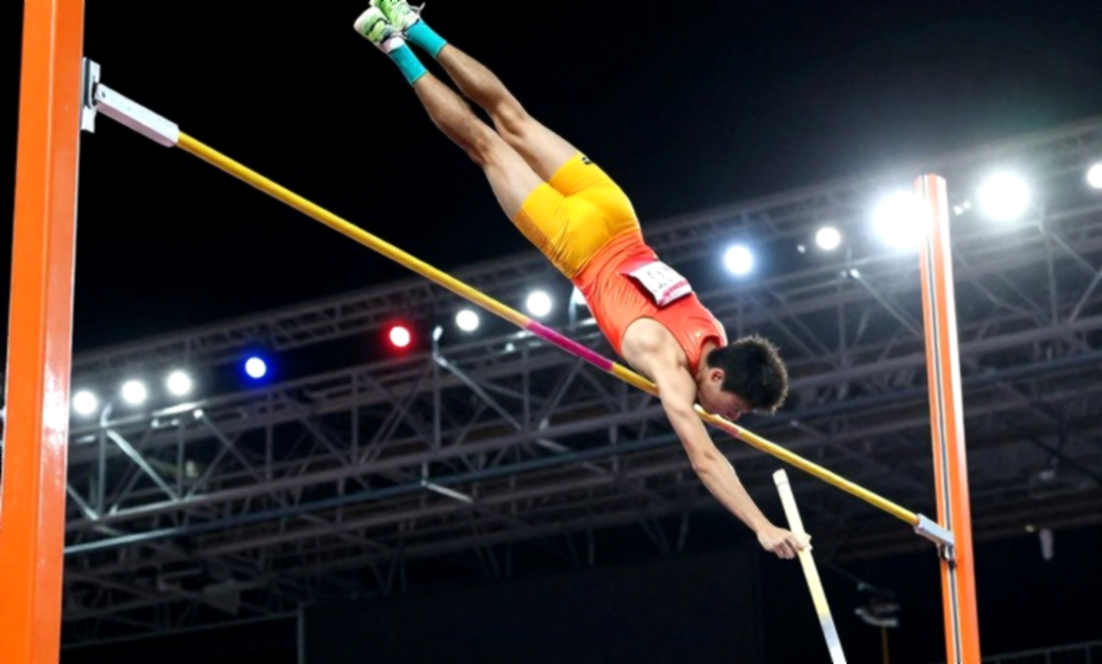
The second objection is structural. Paying the top eight requires written rules on ties, dead heats, disqualifications and reallocation — does the cheque of a disqualified finisher cascade to ninth? Those rules are not yet published. Publishing them before enlarging the pot is the necessary order of operations, or the next dispute will be settled off the track. One point in the reform's favour: the 2026 model leaned on World Athletics scoring tables, and the 2028 structure removes that external dependency, which narrows the surface for argument.
I first heard the stopwatch mutiny in the silence of an empty stadium. In 2026, at the Bangabandhu National Stadium in Dhaka, I sat with two phone stopwatch apps and timed every men's 100m heat against the federation's hand-timed result sheets; the average gap came out at 0.14 seconds. I published the table and asked, on air, for the timing protocol to be released. That request is still unmet. The empty-stadium archive taught me that absence can be measured in splits — and what is absent here is the financing paperwork and a printed copy of the rules. In Russia, the stolen biomechanics were not a secret; they were a language, and nobody hid it. The same holds for distribution rules: a federation that prints its rules earns trust; one that only announces a number earns a headline.
Shah Alam's four golds (2026, 2026, 2026, 2026) come with no verifiable electronic timing certificate — an old file of mine. The 2028 European Championships do not have that problem; theirs is a problem of documentary completeness. So three things are worth watching over the next two years: confirmed financing, published distribution rules, and the depth of the Silesia entry lists. Nobody can answer the third before 2028, and I am handing that thread to the people working on Poland's host-market investment. The first two stay in my file. The pot is large, the cheque is small — the summer of 2028 will show which one is true.